


Japandi Interior Design for Small Apartments: 9 Smart Ideas
Summarize with AI
Get a quick summary of this article using your preferred AI assistant.


Japandi interior design combines Japanese simplicity with Scandinavian warmth, creating spaces that feel calm, comfortable, and thoughtfully arranged. For a small apartment, the appeal is especially practical: fewer unnecessary pieces, functional furniture, natural materials, and an uncluttered layout.
Whether you're decorating a studio apartment, a compact one-bedroom, or a rental with an open-plan living area, you don't need a complete renovation to achieve the look. These nine Japandi design ideas will help you make the most of your available space without sacrificing comfort or personality.
1. Start With a Warm, Neutral Color Palette
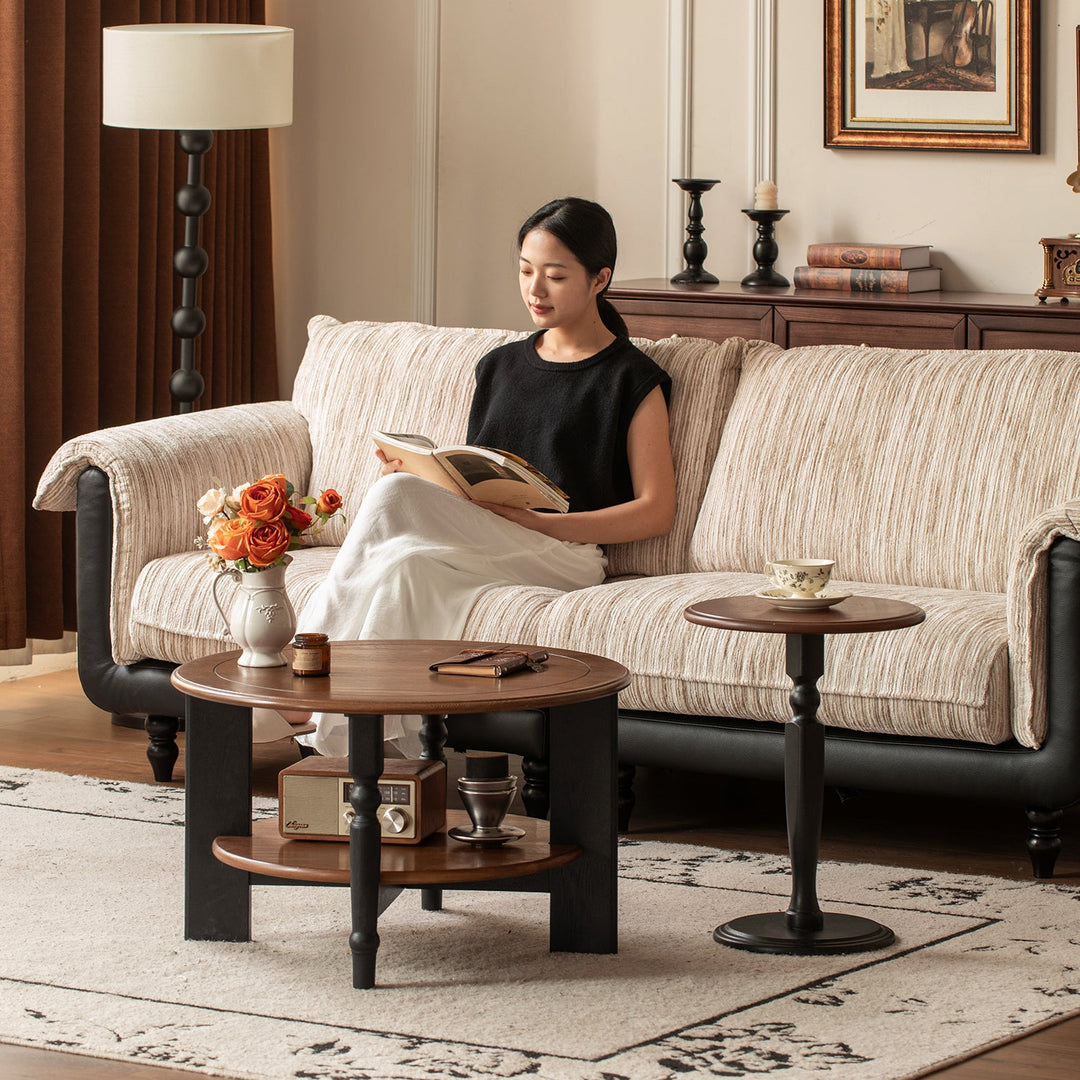
A Japandi-inspired apartment doesn't have to be completely white or beige. The key is a cohesive palette that combines soft neutrals with natural wood and a few earthy accents. Warm white, oatmeal, taupe, and light gray make versatile base colors, while sage green, clay, charcoal, or walnut can add depth without overwhelming the room.

2. Plan Your Layout Around Open Space
Japandi design values open space as much as the furniture itself. In a small apartment, the goal isn't to leave the room empty but to make movement feel natural and comfortable. Start by identifying everyday walking routes, such as the path between your entryway, kitchen, living area, and bedroom. Where your layout allows, aim for roughly 30 to 36 inches of clear space along main walkways as a practical planning guideline.
Try this: Measure the available floor area, then use painter's tape to outline your planned sofa, coffee table, and other major pieces. Walk around the outlines, open nearby doors, and check whether the layout feels comfortable before buying. In a studio, keep your route between the sleeping and living areas clear.
3. Choose Low-Profile Furniture That Actually Fits
Low-profile sofas, exposed wood frames, and clean-lined silhouettes create the grounded look associated with Japandi interiors. But furniture that appears visually light isn't necessarily small. A sofa's overall width, depth, arms, and seat height all affect how it fits—and whether it's comfortable for everyday use.
Choose the sofa by your floor plan and seating habits rather than style alone. A deeper seat may be inviting for lounging but can leave less room for a coffee table or a clear walking route. Measure the full footprint, including arms, and check the doorways, hallways, stairs, and tight turns it must pass through on delivery.
4. Use Rounded or Flexible Coffee Tables
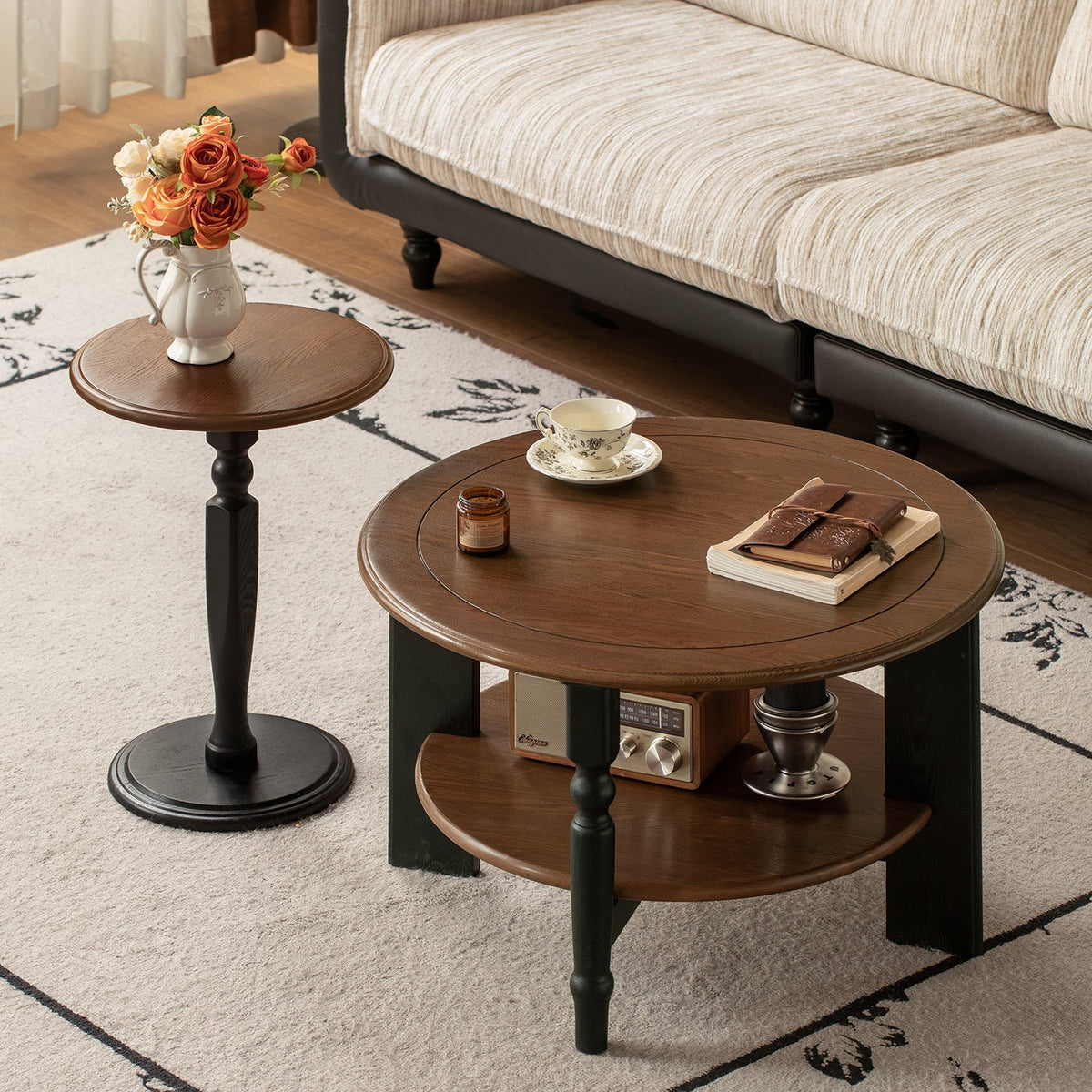
A rounded coffee table can soften the straight lines of a sofa and make a compact seating area feel less rigid. It won't automatically use less floor space than a rectangular table, though, so the dimensions still matter. If a central coffee table crowds your walking route, a smaller side table may offer all the surface space you need.
For a concrete size comparison, the Japandi Ash Wood Coffee Table Set MONA has a round coffee-table option measuring 29.5 inches across and a separate side-table option measuring 15.7 inches across, as well as a two-piece set. Compare the individual footprints with your seating layout before deciding whether one table—or both—makes sense for your apartment.
5. Choose Furniture That Can Serve More Than One Purpose
In a studio or one-bedroom apartment, a dining area may also be a workspace, and a corner of the living room may need to accommodate guests. Instead of adding a new piece for every activity, look for furniture that can handle more than one regular use. A small dining table can double as a desk, while stackable stools can provide occasional seating without occupying permanent floor space.
Prioritize the function you'll use most. A table that's comfortable for dining but too shallow for your work setup isn't truly versatile, and extra seating only helps if you have somewhere convenient to store it.
6. Keep Storage Practical and Visually Quiet
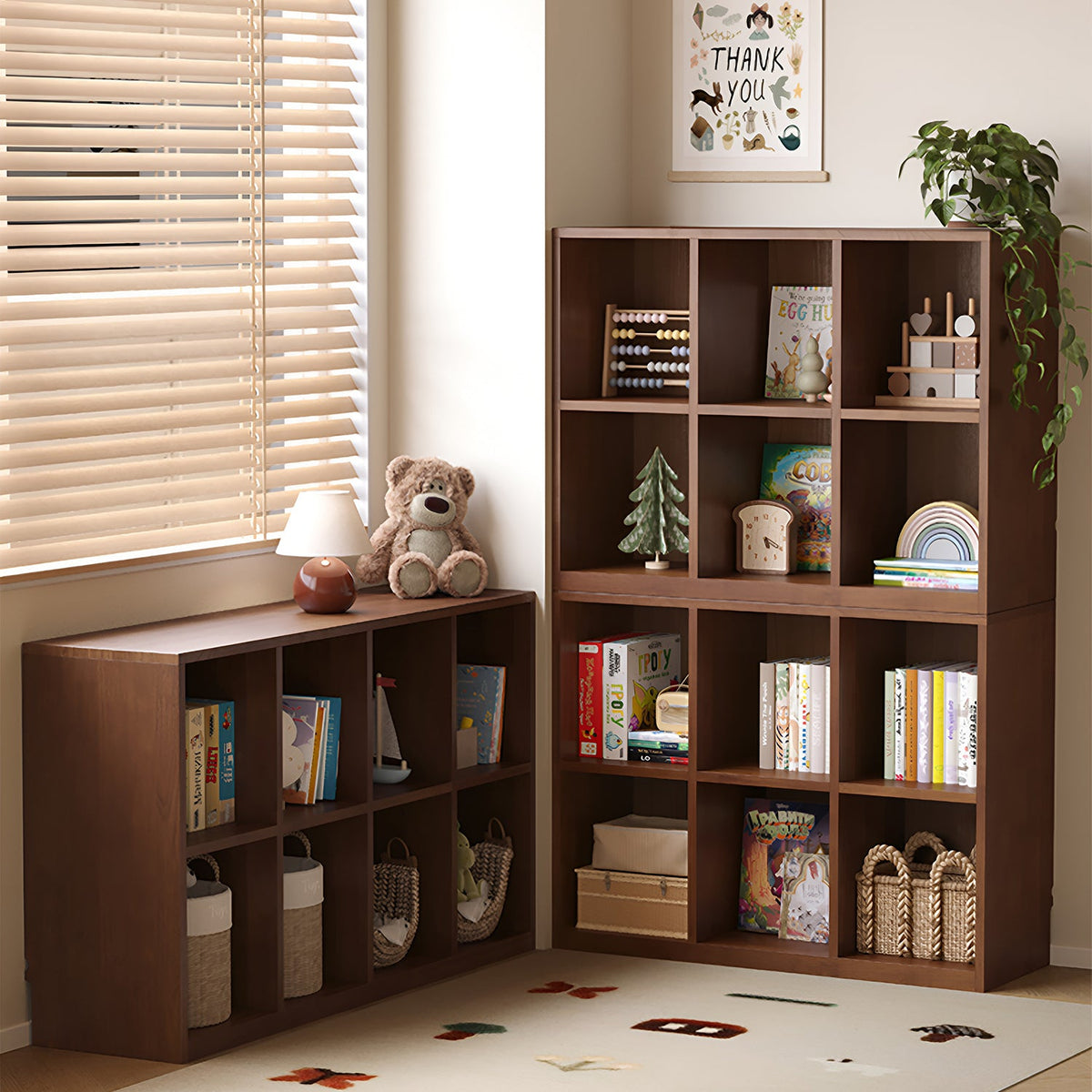
An uncluttered Japandi apartment still needs a place for chargers, paperwork, shoes, and everyday essentials. Mix concealed storage for small items with a little open shelving for books or objects you enjoy displaying. That balance keeps the room practical without turning every surface into a display.
For example, the Japandi Oak Wood Modular Bookshelf BLOG is offered in different grid, drawer, and flip-door configurations. The useful question isn't which one looks most minimalist, but which arrangement matches what you need to store. Check the configuration and dimensions carefully: not every version provides closed storage.
7. Add Natural Textures Instead of More Decorations
A restrained room doesn't have to feel stark. Wood grain, woven textiles, soft upholstery, and understated ceramics bring warmth and variation without adding visual clutter. In a small living room, a textured rug and a fabric sofa can do more for the atmosphere than several decorative accessories.
Choose materials that suit your daily routine as well as the look you're creating. A rug should be manageable to clean, upholstery should work for your household, and a few well-chosen textures are usually easier to live with than layers of objects on every surface.
8. Make the Most of Natural and Layered Lighting
Lighting helps natural wood and muted colors feel inviting throughout the day. Keep window areas relatively open where practical so daylight can reach farther into the room, then use a mix of general lighting and smaller lamps for evenings. A compact floor lamp beside the sofa or a table lamp near a reading chair can make the space feel more comfortable than relying on the overhead fixture alone.
For rentals, consider plug-in lamps and other changes that don't require permanent installation. Position cords away from walking routes, and choose window coverings that balance daylight with the privacy you need.
9. Finish With Fewer, More Meaningful Details
Japandi style isn't about making an apartment look empty or impersonal. It leaves room for a few objects that matter: a piece of art you love, a ceramic vessel, a favorite book, or a plant that suits the light in your home. One deliberate focal point can make more of an impression than filling every shelf.
After arranging your main furniture, live with the space for a little while before adding accessories. Notice where you actually want a lamp, a tray, or a place to set down your keys. Let everyday use guide the finishing touches instead of decorating every open corner at once.
Final Thoughts: Make Japandi Work for Your Apartment
The best Japandi interiors balance simplicity with the realities of daily living. A carefully chosen color palette can bring the room together, while practical furniture, thoughtful storage, and good lighting help make a small apartment more comfortable.
Start with the layout and the pieces you use most often. You can add texture and personal details gradually, without replacing everything you already own.
For more inspiration, explore the Japandi furniture collection at Loft Home US and compare furniture dimensions, materials, and configurations to find options that suit your space.
Frequently Asked Questions
Is Japandi style good for small apartments?
Yes. Its emphasis on functional furniture, uncluttered layouts, and cohesive colors can work particularly well in small apartments. However, the style alone doesn't save space. The dimensions and placement of your furniture matter just as much.
Can I create a Japandi apartment without renovating?
Absolutely. Start with neutral textiles, simple furniture, thoughtful storage, and warm lighting. These changes can introduce Japandi design into a rental without replacing flooring, cabinetry, or permanent fixtures.
What colors work best for a small Japandi living room?
Warm white, oatmeal, beige, taupe, and light gray make flexible base colors. Natural wood, soft sage green, clay, and charcoal can add contrast. Choose colors that work with the room's existing flooring and daylight.
Does Japandi furniture have to be low to the ground?
No. Low-profile furniture is common in Japandi interiors, but comfort and function should come first. Choose a seating height that suits you and ensure the furniture's overall dimensions work with the room.
Can I mix Japandi furniture with pieces I already own?
Yes. You don't need an entirely new furniture set. Modern, Scandinavian, and other simple pieces can often work together when their colors, materials, and proportions feel balanced. Focus on creating a cohesive space rather than matching every item.
Bring Japandi Simplicity Into Your Home
Discover thoughtfully designed Japandi furniture for your apartment. Explore natural materials, streamlined silhouettes, and practical pieces to suit your space.
Explore Japandi Furniture


